
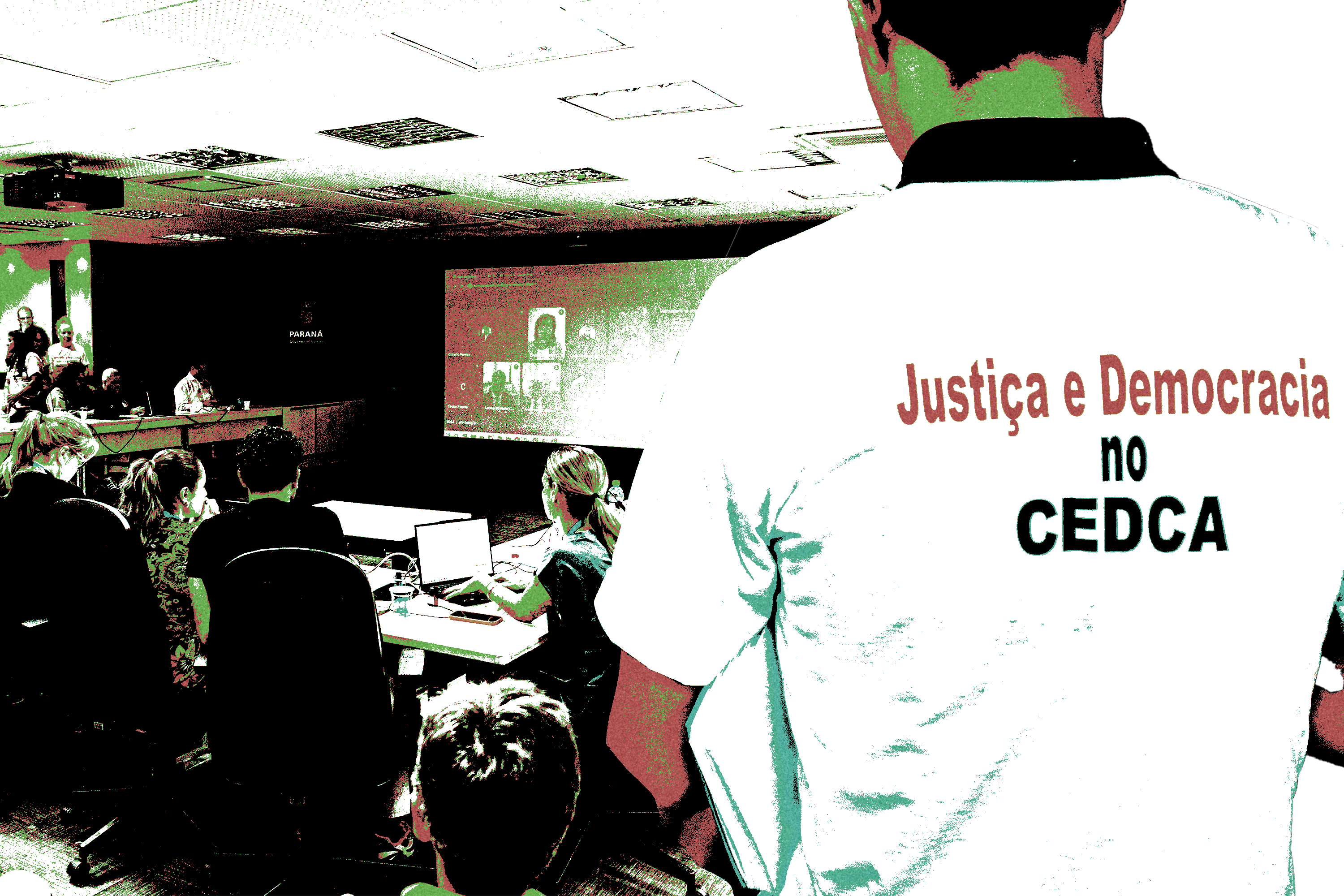
The election of civil society councillors to Cedca, which had been suspended in September 2025, will be resumed. The decision was made by vote at the extraordinary meeting of the State Council for the Rights of Children and Adolescents (Cedca). The electoral process for the 2025/2027 biennium is under investigation for irregularities, as we showed in this Plural report.
In a tense meeting on Wednesday (04), the vote for continuity preceded the reading of the report on the request for review made by civil society regarding the proposal presented by the Government. Next, the Government councillors presented the response opposing that request for review.
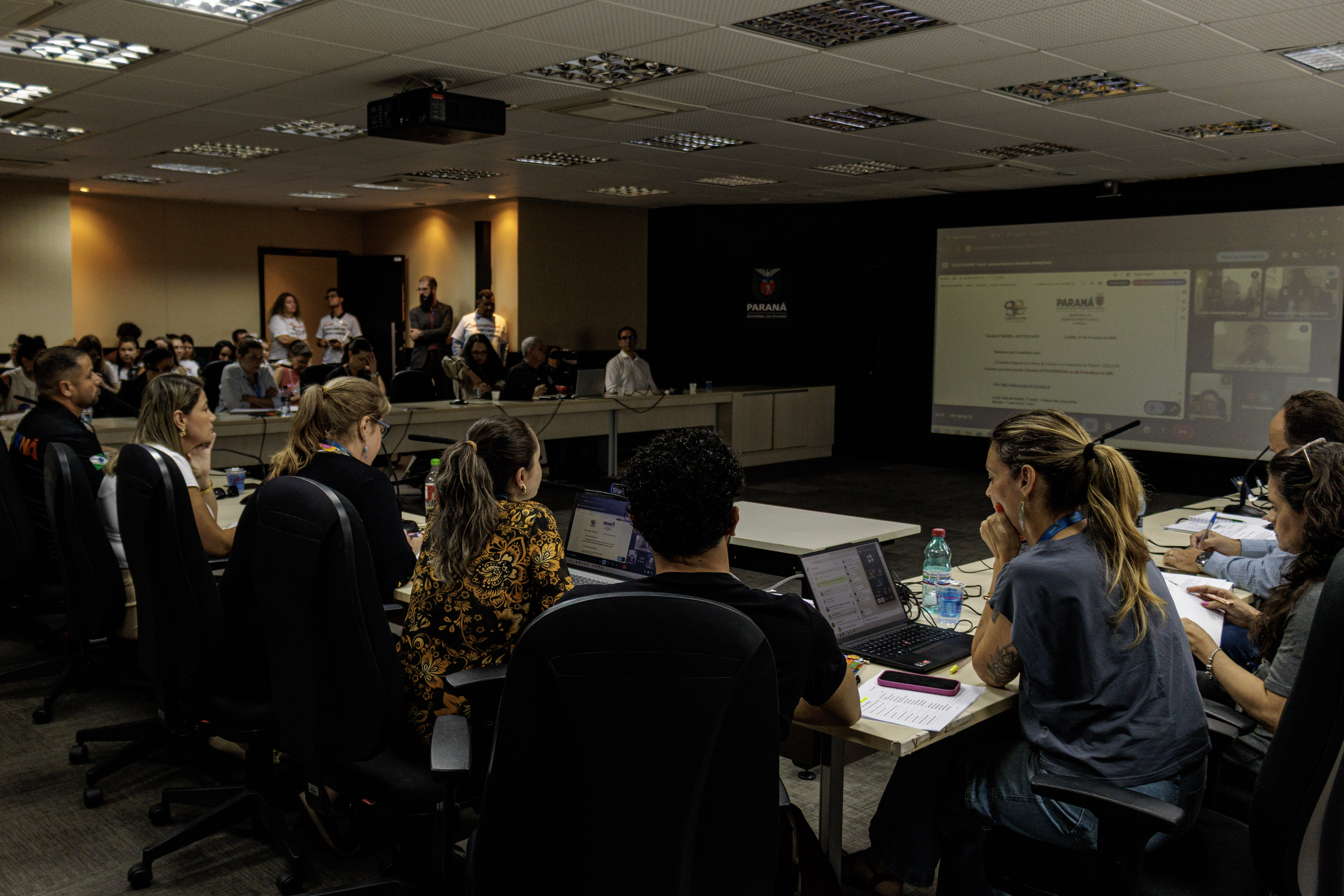
Civil society was emphatic in requesting the cancellation of the process due to “serious irregularities and fraud that compromised the fairness of the original contest.” According to the report on the request for review, there is an “incurable original defect, marked by a lack of transparency and failures in the verification of documents.”
The arguments presented for a new electoral process are supported by recommendations from the Public Prosecutor’s Office of Paraná (MPPR) and the Brazilian Bar Association of Paraná (OAB-PR), which are advisory and supervisory bodies of Cedca. In addition, the National Council for the Rights of Children and Adolescents (CONANDA) also issued a note recommending the cancellation of the electoral process. CONANDA is the highest body for the formulation, deliberation, and oversight of public policies for children and adolescents at the federal level.
The Government of Paraná, through the government councillors, did not accept the request for review from civil society. In short, the Government argues that there are no proven defects based on technical information from the PGE and once again reiterates the validity of the process with adjustments. The electoral commission that was in place at the time of the suspension did not include representatives of civil society.
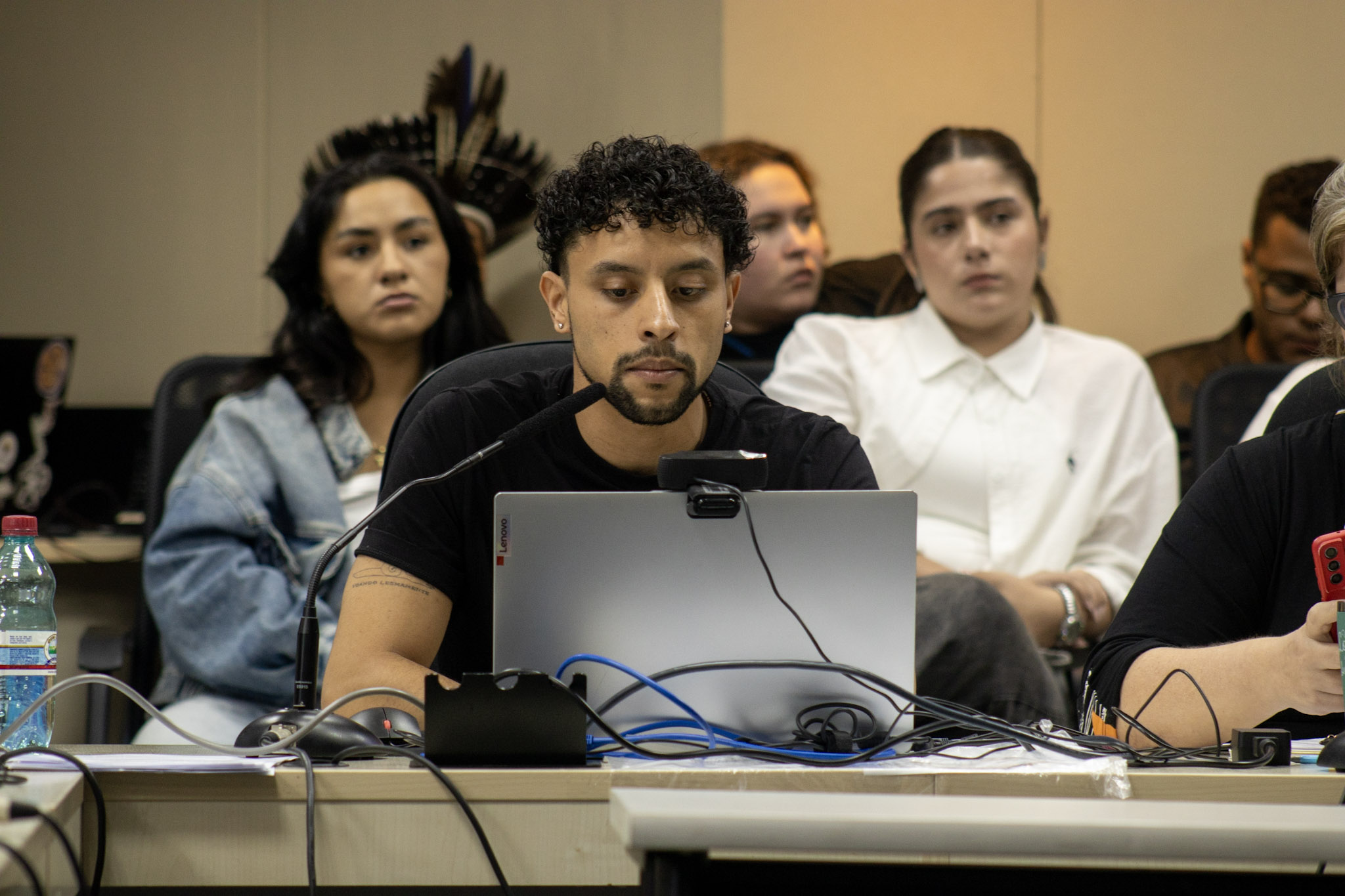
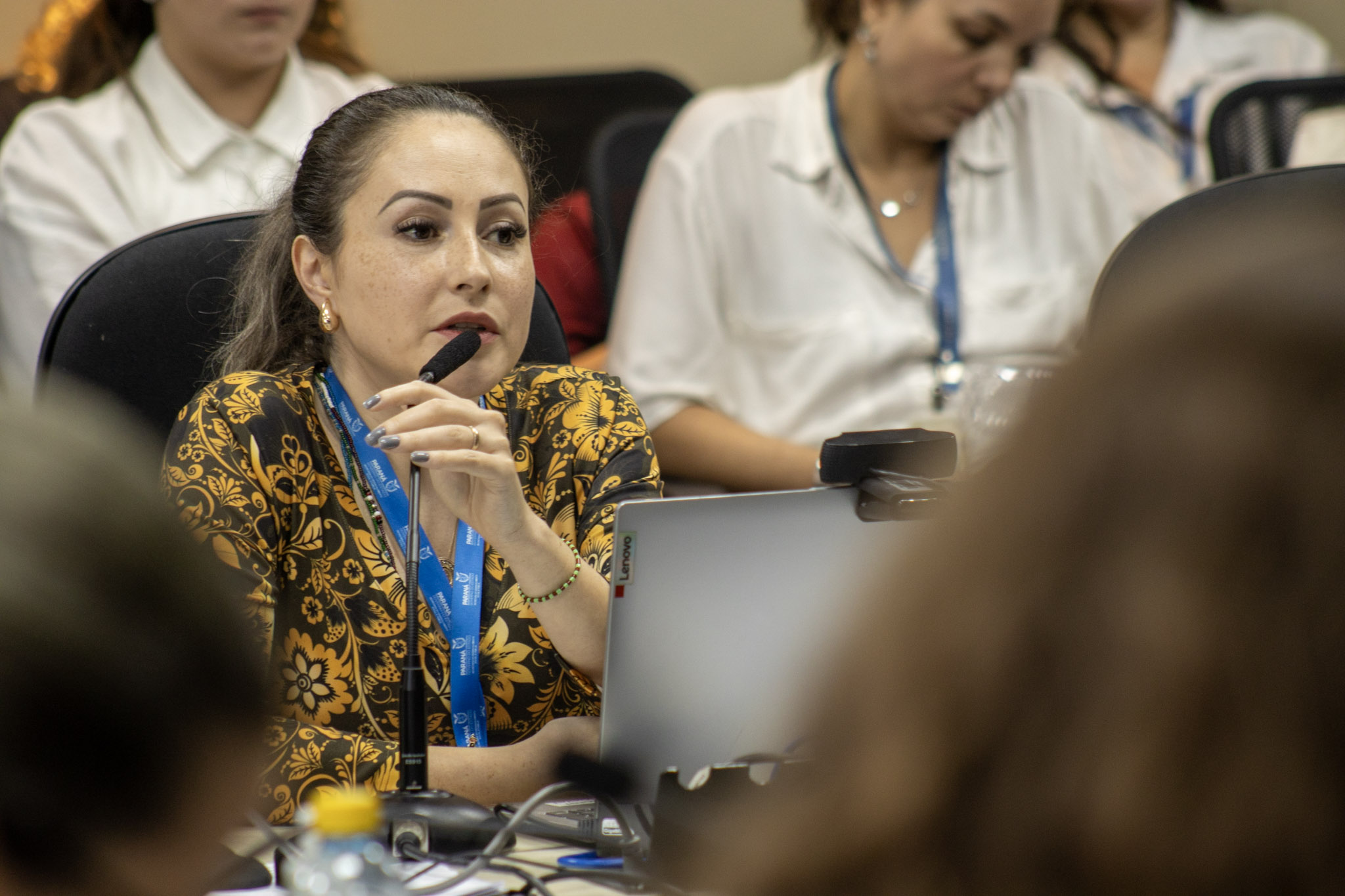
A suggestion was made for discussion and consensus between civil society and the Government, but it was not accepted by Prisciane de Oliveira, president of Cedca and an employee of the Secretariat of Social Development and Family (SEDEF). The suggestion not to vote on the entirety of the Government’s proposal was made, before the vote, by Gabriel Rocha, vice president of Cedca and a civil society councillor.
Government ignores recommendations
During the interventions at the meeting of the supervisory and advisory bodies, relevant issues were raised about strong indications of fraud and defects in the process. Andersson Rodrigues Ferreira, representing OAB-PR, recalled that in the electoral process there were mass registrations of voters from the same IP addresses, in addition to self-declarations with strong indications of ideological falsehood.
“The attempt presented in this statement to resume and validate the CEDEC electoral process is technically unsustainable. Our analysis envisioned that we are not dealing with remediable failures but with incurable defects” - Andersson Rodrigues Ferreira, OAB-PR
Danielle Tuoto, representing the MPPR, brought to the discussion that the process is under investigation and that there were institutions registered in the electoral process that went to Cedca to report that the registrations were carried out without the organization’s consent.
Despite that, all the state Government councillors voted for the continuation of the electoral process. Another three civil society institutions voted in line with the Government, namely Unilehu, Instituto Jefferson Bizzotto and Associação Antônio Marcos Cavanis. The full list of votes is at the end of the report.
In a note, SEDEF itself states that “OAB-PR acts in an advisory capacity, offering technical and legal support in the discussions, while MP-PR exercises an oversight function, monitoring the deliberations and ensuring that they are in accordance with the Statute of Children and Adolescents and with current legislation.”
When asked whether the recommendations of the MPPR and the OAB had been ignored at the meeting, SEDEF’s press office reported that “the government councillors did not dismiss the recommendations of the Public Prosecutor’s Office of the State of Paraná (MP-PR) and the Brazilian Bar Association (OAB-PR)” and that they were considered in the debate. The Secretariat argues: “so much so that [...] the State Council for the Rights of Children and Adolescents of Paraná (CEDCA/PR) deliberated to suspend the electoral process.”
At the time of the suspension, the presidency of the council was held by Danielle Dalavechia, a representative of civil society, who signed the deliberation for the electoral process.
Impediment to attend the public meeting
The extraordinary meeting took place at the Palácio das Araucárias, the seat of the State Government, in a room that allowed broadcasting via YouTube and the remote participation of councillors. However, the chosen venue does not accommodate the number of people interested in attending in person. This had already been a problem at the meeting on 13/02.
To resolve this seating impasse, it was agreed that civil society councillors would send a list of 22 names with priority to attend the meeting. But what was seen at reception was a different scenario. People from that list were prevented from entering while other people, from a parallel list and wearing T-shirts with protest messages, were authorized to attend the meeting. This second list was sent directly to Cedca’s secretariat by an organization called Fetespar – Federation of the Third Sector of the State of Paraná.
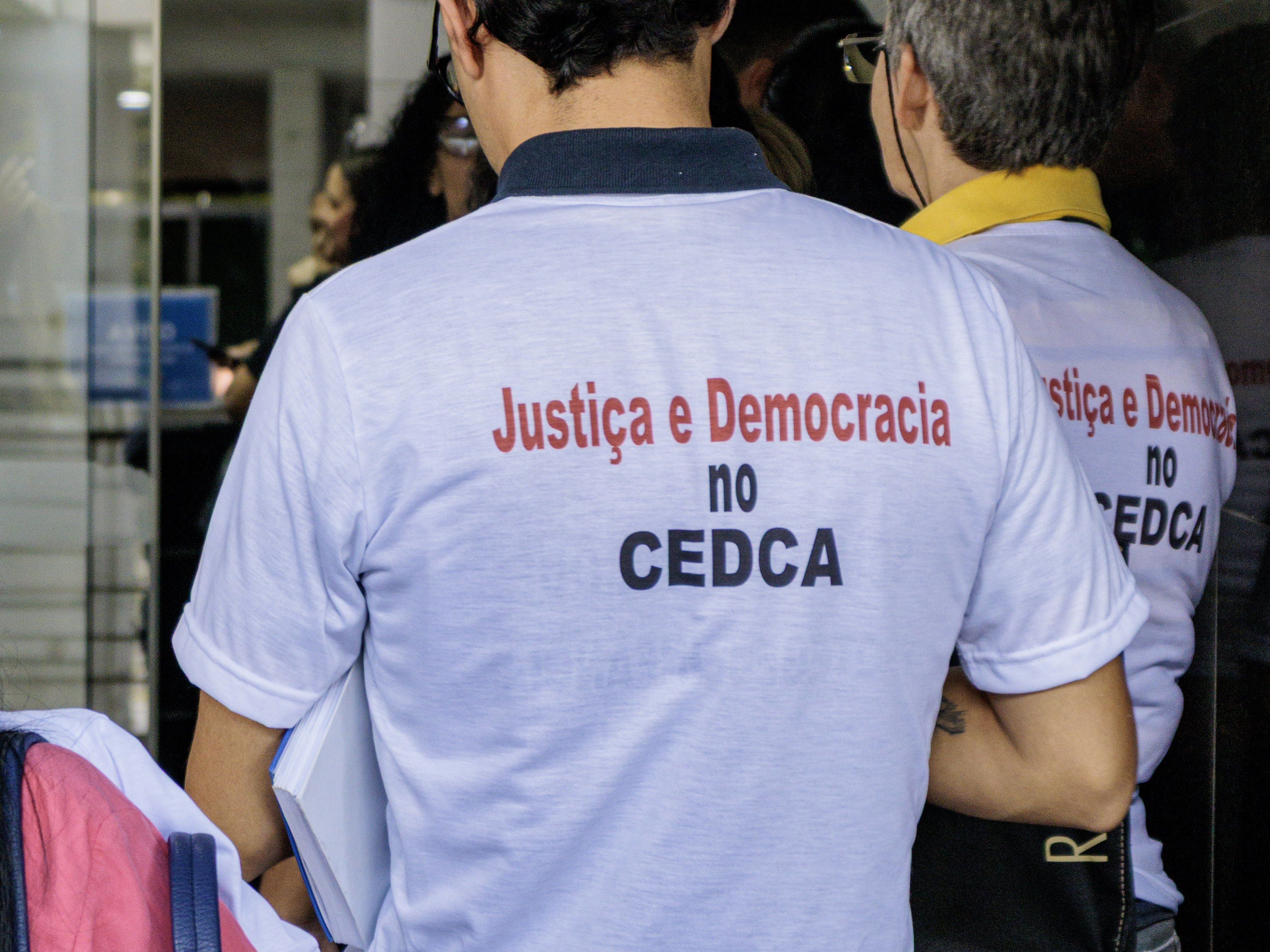
Plural also had difficulty entering the room although, after the start, everyone was authorized to attend the meeting in person. Another difficulty faced by Plural was an attempt at intimidation by staff to prevent their images, who are public servants who make up the Council, from being published by the newspaper.
The civil society that is with the Government
Cirleide Silva, president of Fetespar, who facilitated the entry of people outside the councillors’ list, described the CSO’s work: “We are an institution that advises other organizations. We do everything from founding documentation to project documentation.” “There are many organizations that don’t know how to access Google Forms to do anything. Sometimes they miss the opportunity to participate in processes because they can’t,” she adds.
According to her, the call under investigation by the MPPR allowed any organization that has a relationship with the rights of children and adolescents to participate in the electoral process. Cirleide states that “It is Fetespar’s mission to strengthen participation in councils.”
Fetespar is a candidate for councillor in the 2025/2027 election and had the email “[email protected]” registered in its application for the Council. The same email appears in the CNPJ registration of the Federation of App Drivers of the State of Paraná, an institution whose registration was approved by the electoral commission of the election at first. This was one of the indications that led to the MPPR’s investigation.
Not everyone wearing the T-shirts was from Fetespar. There were representatives of organizations that sought to maintain the electoral process and supported the Government’s proposal. Among these organizations is the Associação de Moradores do Butiatuvinha, represented by Regiane, who spoke with Plural and stated that her institution is registered as a voter and would like to have the power to choose the councillors.
VOTES OF THE GOVERNMENT COUNCILLORS FOR THE CONTINUATION OF THE CIVIL SOCIETY ELECTION
Viviane Ribeiro Santos – Casa Civil
João Carlos Pires de Camargo Alves – SEES
Amália Regina Donegá – SETI
Ticyana Paula Begnini – SEDEF
Prisciane de Oliveira – SEDEF
Francisco Peres Junior – SEAB
Carlos Eduardo Rodrigues de Araújo – SEED
Ingrid Machado do Nascimento – SEJU
Victor Hugo Ribeiro Florentino dos Santos – SETR
Alessandra Simões da Costa – SESA
Eliete Aparecida Kovalhuk – SESP
Luciano Arantes Sanches – SEPL
VOTES OF THE CIVIL SOCIETY COUNCILLORS FOR THE CONTINUATION OF THE CIVIL SOCIETY ELECTION
Henry Baptista Xavier – UNILEHU
Yan Leonardo Ben – Instituto Jeferson Bizotto
Adriano Roberto dos Santos – Associação Antônio e Marcos Cavanis
VOTES OF THE CIVIL SOCIETY COUNCILLORS FOR THE CANCELLATION OF THE CIVIL SOCIETY ELECTION
Gabriel de Franco Rocha – HPP
Débora Cristina dos Reis Costa – ABEC
Alexandra Alves José – Instituto Leonardo Murialdo – Epesmel
Nadir Aparecida da Silva Fantin – AAMEC
Silvania Cassia Pereira – Instituto de Ação Social João Paulo II
José Cláudio Pereira – Centro Beneficente de Educação Infantil Ledi Mass Lions
Danielle Dalavechia Chedid Silvestre – Fundação Iniciativa
Priscila Gracieli de Melo – APAE de São Sebastião da Amoreira
Nilson Ribeiro da Silva – SOS Guarda Mirim de Arapongas


