

The Uber is getting closer and I still don’t see the stadium. It’s that “stadium,” in the case of Suburbana teams, means something very different from the Arena do Athletico, from Couto Pereira. The only sign that we’re near Ismael Gabardo, home of Vila Fanny, are the poles with the floodlights, three on each side of the pitch. We’ve arrived.
At the entrance, there’s no turnstile and you get in for free. They only ask for your phone number to enter for a chance to win the home team’s jersey. Ten more steps and you’re in the covered area where they sell steak sandwiches, beer, and homemade brigadeiros. A little further to the left and you’re in the stand: just sit on one of the three concrete steps and enjoy the match.
I went to watch the match between Vila Fanny and Novo Mundo for two reasons. First, because Plural is now covering the Suburbana, and I was dying to know what it was like. Second, because it’s absolutely impossible to meet Rafael Buiar and his five sidekicks at Do Rico ao Pobre, our coverage partners, and not get excited about Curitiba’s amateur football. They live it and are happy doing it.
The first idea was to go with my son to see Santa Quitéria’s game, but the team was playing behind closed doors. So off we went south to watch the team that, after all, unveiled a star this year: Rafinha, former left winger for Coxa and Paraná, at 42, was announced as Fanny’s number 10.
The organized supporters, the Fannyticos, were all in, with drums, chants, and even some firecrackers that, in the second half, caused some tension when a prankster set one off too close to his mates on the fence.
The match kicked off and I was impressed. The play doesn’t fall far short of the city’s professional teams (at least from the perspective of a stiff like me). Novo Mundo, which I’m told is one of the main title contenders, hits a ball almost into the top corner and Fanny’s keeper makes a star save, flying to tip it away with his off hand.
 Plural Newsroom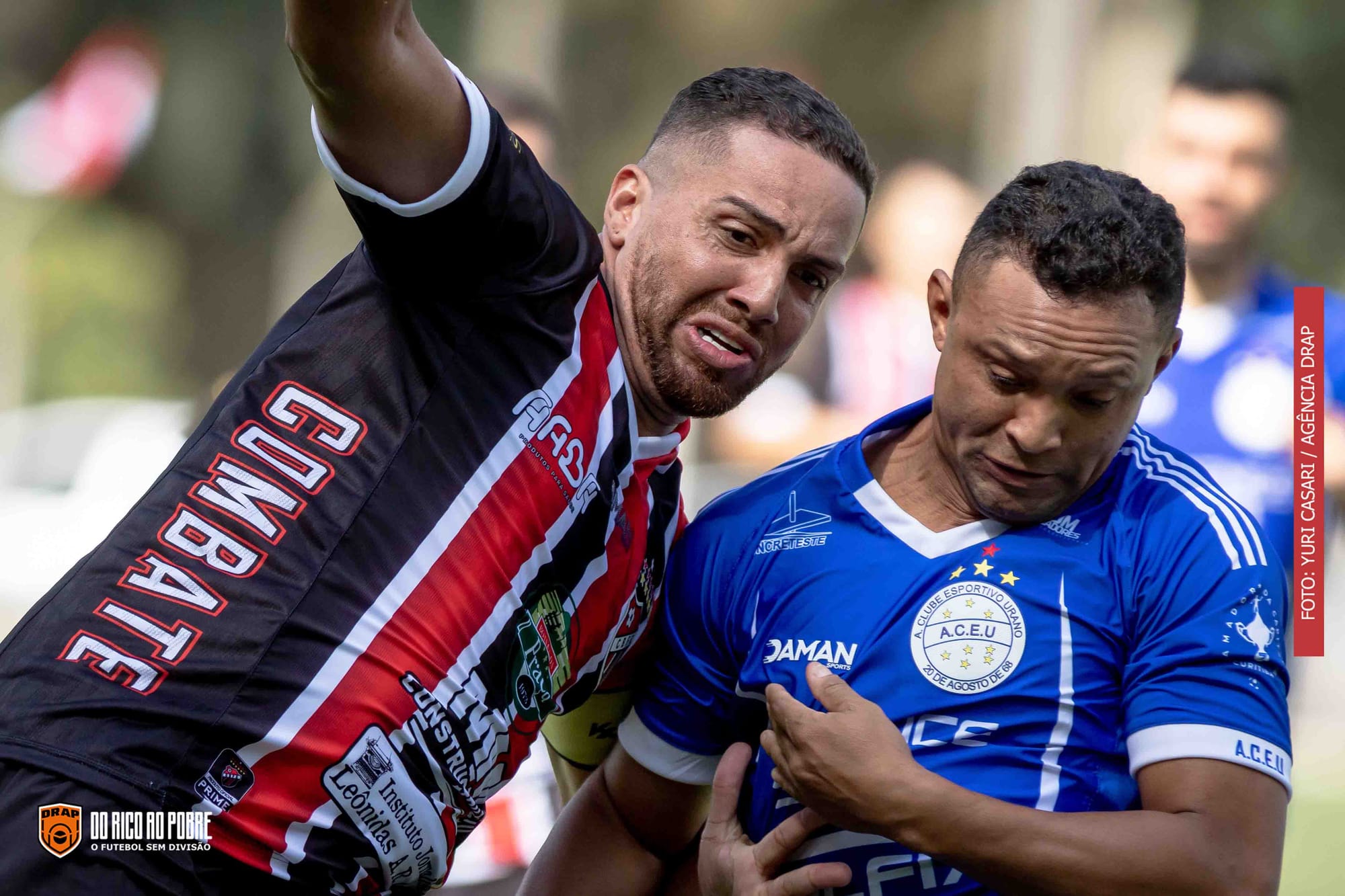
Then comes the only setback of our debut on Suburbana pitches. What started as a light rain soon turns into one of those downpours. Everyone runs to the covered area, abandoning the stand. And since I’m not very tall, I can see little of what’s happening on the field.
At the end of the first half, with the rain already easing, Novo Mundo scores. On a rebound, the ball sits up for a lovely left-footed shot that hits the post and goes in. The Fannyticos are almost discouraged, but there’s still the second half to play.
At halftime, I chat with the couple behind us. I say I’d heard about Novo Mundo’s might, but the guy corrects me: “Next to Fanny it’s a small team.” Okay, a fan is a fan.
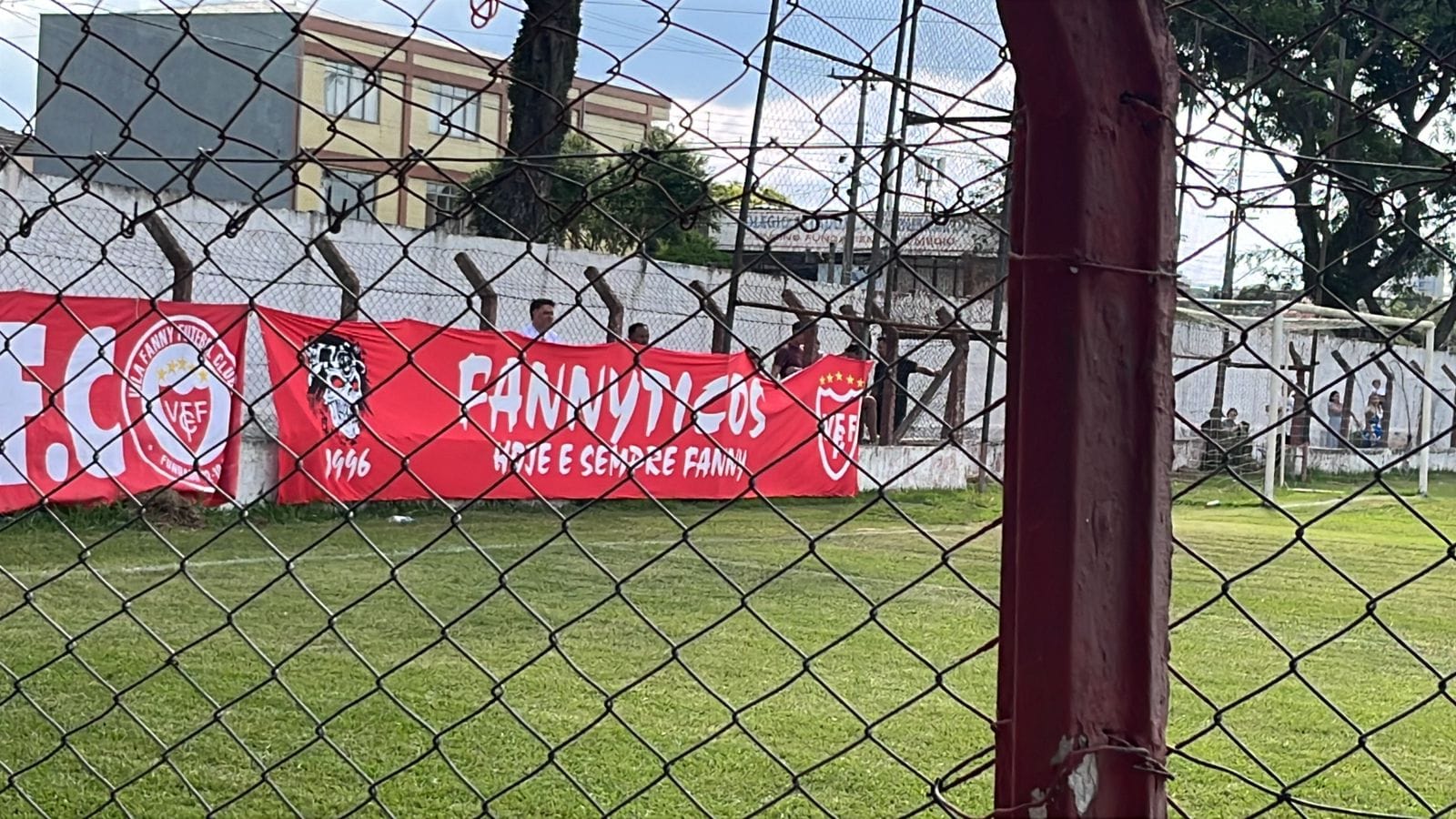
The second half is hard-fought. Between moments of brilliance and the odd hack (it happens, these things happen), there are also scenes very different from the professional game. The ball that goes out into the street, or that hits the crown of a tree right after the throw-in. A player runs too hard to keep the ball from going over the end line and needs to put his hands out in front - he’s going to crash into the wall.
One of the charms of the game is that everything is also much closer than in a pompous professional match. The physio runs to tend to a player and hears a little joke from a fan. Apparently the two know each other and greet one another laughing. The coach passes very close to the touchline and hears everything people want to say: “Let’s get the boys playing, coach!”
Midway through the second half, relief for Fanny. With a shot very similar to the one that gave the opponent the goal, the equalizer arrives. That would be the final score of the match, balanced as seems customary in Suburbana’s Serie A. (The game I’d intended to see earlier, between Santa Quitéria and Tanguá, ended 3x3, reports the Do Rico ao Pobre WhatsApp group).
The final balance is overwhelmingly positive. We didn’t spend anything (except the Uber and two still waters), we saw a lovely match and got to know the city a little better. Above all, the people. After all, as Rafael says, the Suburbana is made of people.


